
SERVICES
Three ways to pass due diligence and launch
Choose a short sprint, a part-time compliance lead, or a full onboarding build. Each one covers what banks, processors, and partners check, so you can answer their questions and get approved.
-
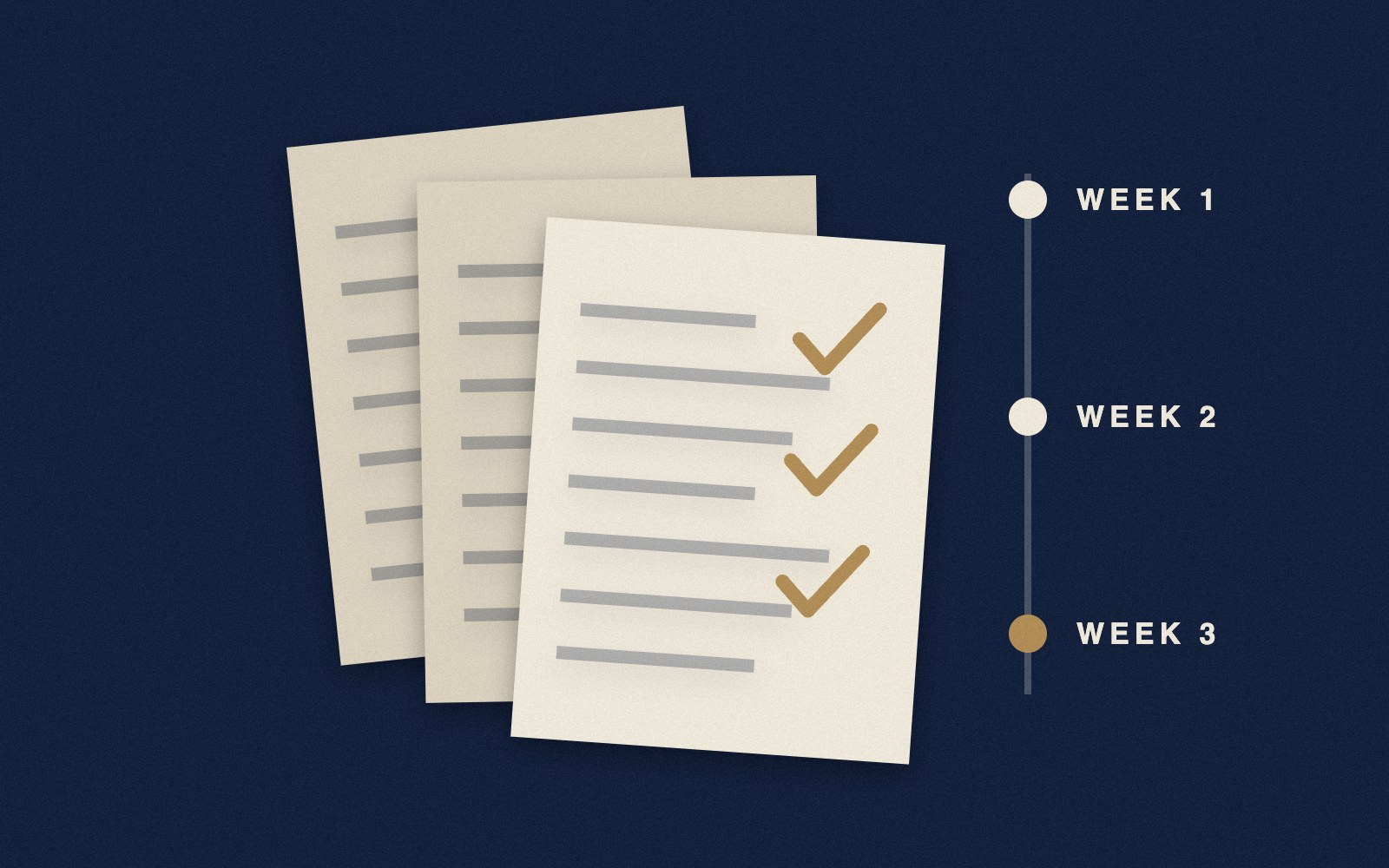
Due-Diligence Sprint
Read more: Due-Diligence SprintDelivered in 2–3 weeks—as fast as 10 business days once I have your materials: a BSA/AML policy, KYC/KYB procedures, a risk assessment, sanctions screening, and answers to your partner’s questionnaire.
-

Fractional Compliance
Read more: Fractional ComplianceMonthly compliance help until you are ready to hire full-time. I also help you make that hire.
-
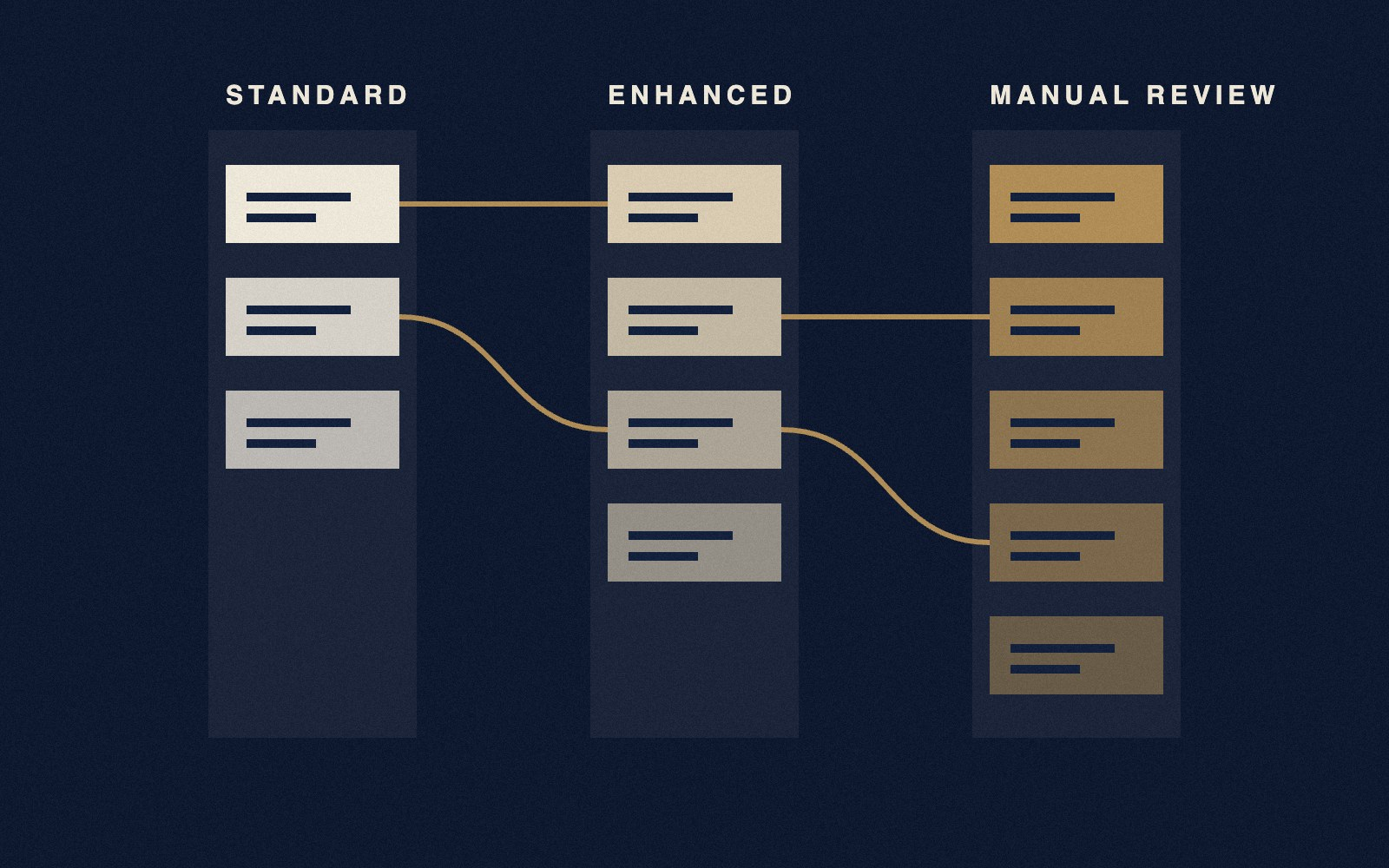
Onboarding Flow Build
Read more: Onboarding Flow BuildPick a KYC/KYB vendor, set risk tiers, and write reviewer playbooks, with AI-assisted review. Good customers get approved faster.
WHO THIS IS FOR
Early-stage companies that need to pass a bank, processor, or partner review.
Prediction markets · Online gaming · Cannabis · Crypto · Payments
If a bank, a payment processor, or a platform partner has sent you a due-diligence questionnaire, this is for you.
HOW IT WORKS
A simple four-step process
Every project follows the same four steps. You always know what is happening, what is done, and what proof backs it up.
STEP 1
Get started
You send your deck, how your product works, your company details, and any questions from your partner. I send back a short written plan: the scope, the timeline, and the exact documents I will write.
STEP 2
Gap check
I compare what you have today with what partners expect: policies, procedures, a risk assessment, KYC/KYB, sanctions screening, and controls. No theory. Only what they will ask.
STEP 3
Build the package
I write and fix the documents: clear policies, procedures your team can follow, and questionnaire answers with proof attached.
STEP 4
Practice review
I test your documents and answers the way an onboarding analyst would. You leave with a packet ready to submit and a plan for follow-up questions and upkeep.
SERVICES FAQ
Questions founders ask first
Here is how each service works and what you will have ready for partner due diligence.
Which service should we start with?
Start with the Due-Diligence Sprint if a bank, processor, or platform is about to review you. It is the fastest way to see what a reviewer will flag and to get ready. If you already have policies and a process but need steady help, choose Fractional Compliance. If your problem is the onboarding process itself (choosing a KYC/KYB vendor, setting risk tiers, writing reviewer playbooks), choose the Onboarding Flow Build.
What does “due-diligence ready” mean?
It means you can answer your partner’s questionnaire, and your answers match your real documents and how you really work. You have a written BSA/AML policy (your anti-money-laundering rules), KYC/KYB procedures (how you check who your customers are), a risk assessment for your product, and a way to screen customers against sanctions lists. The goal is not to be perfect. The goal is answers that agree with each other and leave no obvious gaps.
How much time do you need from our team each week?
Plan on 1–2 hours a week for a working session, plus time to review drafts. You need one person who can answer questions about your product and operations, share your current documents, and make decisions. I do the heavy work: the writing and the organizing.
Will you talk directly to our bank, processor, or potential partner?
Yes, when it helps. I can prepare you for the call, join it, or handle follow-up questions, depending on what the partner allows. The aim is fewer rounds of questions, and answers that match what you really do.
What do we get at the end? Can we reuse it with another partner?
Yes. You own everything: policies, procedures, risk tiers, reviewer playbooks, and your questionnaire answers. I also include a decision log that says what we chose and why, so a future hire can keep it up without starting over. If a new partner asks for something different, you adjust what you have. You do not start again.
ENGAGEMENT
Tell me what the partner is asking for.
Send the questionnaire, the partner’s notes, or a short summary. I will reply with a clear scope, a timeline, and what you can reuse versus what I need to write.
REPLY ≤ 1 BUSINESS DAY
NDA AVAILABLE
FIRST MILESTONE
A set of documents you can hand to a bank or processor: policies, procedures, a risk assessment, and clear answers to their questions.